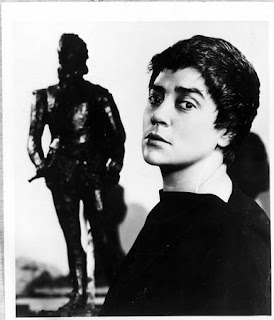
Born in Trieste in 1921, #FioreDeHenriquez studied at the Academia di Belle Arti di Venezia under Arturo Martini and became well-known within her lifetime as a prolific sculptor and painter. Her debut occurred in Florence in 1947 and she had exhibitions throughout Europe and North America from the 1950s well into the 1980s. Though involvedContinue reading “Fiore de Henriquez”
Author Archives: lgbtqrepresent
Alan L. Hart
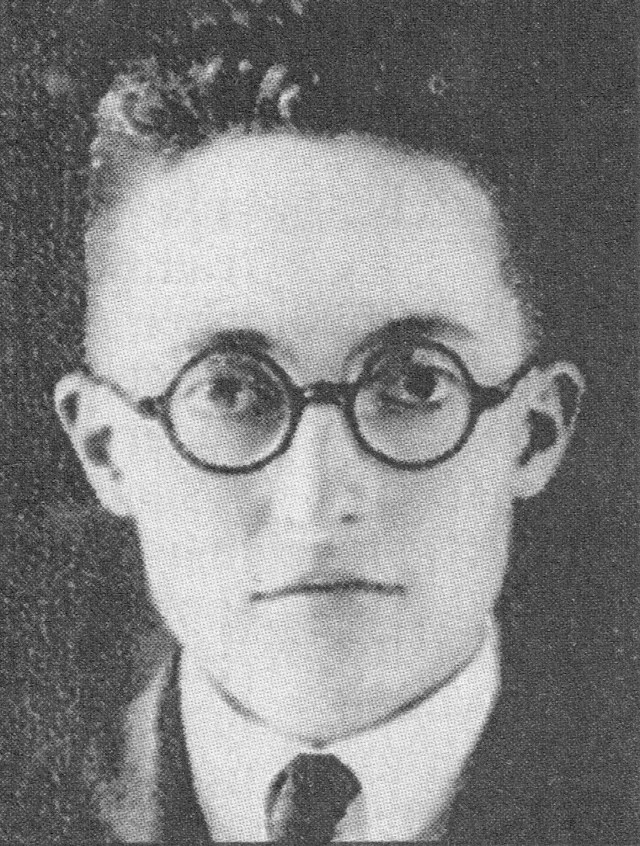
Born in 1890 in Kansas, #AlanLHart was raised in a family that accepted his gender expression from childhood, though he was assigned female at birth. Raised by a blended family with his mother, stepfather, and grandparents, his grandparents’ obituaries even listed Alan as a grandson, despite attitudes of the time (and even some today). EvenContinue reading “Alan L. Hart”
Bayard Rustin

#BayardRustin (March 17, 1912 – August 24, 1987): Born in Pennsylvania and raised by his maternal grandparents (he believed his biological mother was actually an older sister), Rustin grew up surrounded by figures of the early Civil Rights Movement such as #WEBDuBois. This fostered within him a deep sense of duty to his community, andContinue reading “Bayard Rustin”
Alain Locke
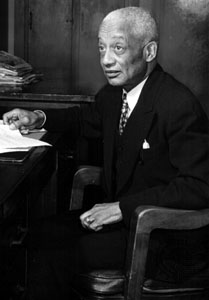
#AlainLeroyLocke (September 13, 1885 – June 9, 1954): Known as the #FatherOfTheHarlemRenaissance and first African American #RhodesScholar, Locke was a writer, philosopher, educator, and patron of the arts. Born and raised in Philadelphia, his family descended from a long line of free African American people in the times of slavery; his father was the firstContinue reading “Alain Locke”
Brenda Lee Marquez-McCool
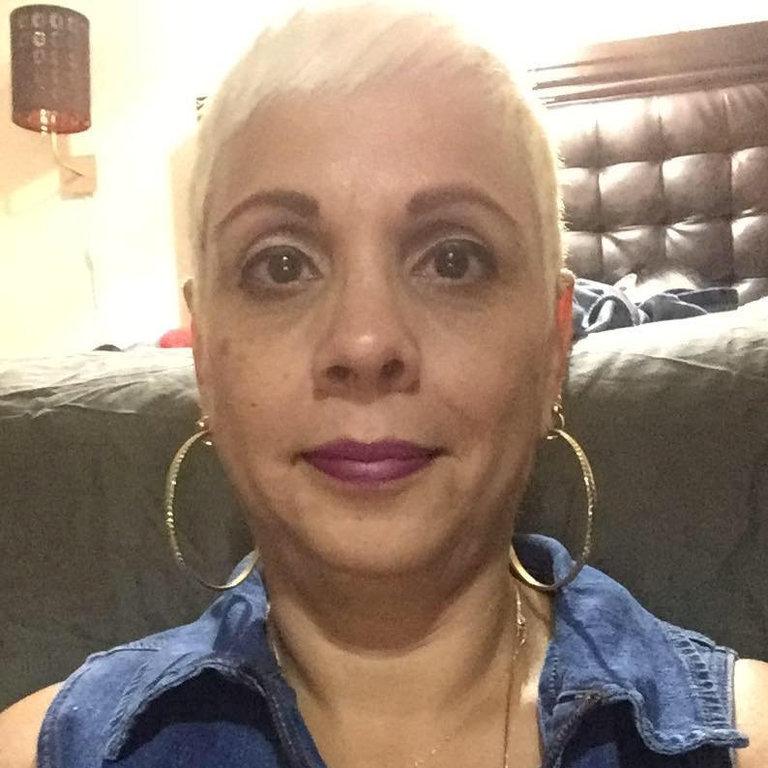
#BrendaLeeMarquezMcCool: 49-years-old, she shielded her gay son at #Pulse once the shooting began. She died saving her son’s life, according to witnesses who said she pushed him and a friend out of harm’s way when the shooting started. He and his friend survived, she (though a survivor of two different types of cancer) did not. In the blinkContinue reading “Brenda Lee Marquez-McCool”
Marsha P. Johnson

#MarshaPJohnson (August 24, 1945 – July 6, 1992): Born in Elizabeth, New Jersey, Johnson grew up in a religious household where bullying from local teenagers made Johnson feel that being gay or presenting as female was a far off dream. After graduating high school in 1963, Johnson left home and moved to Manhattan, where theContinue reading “Marsha P. Johnson”
George Harris/Hibiscus
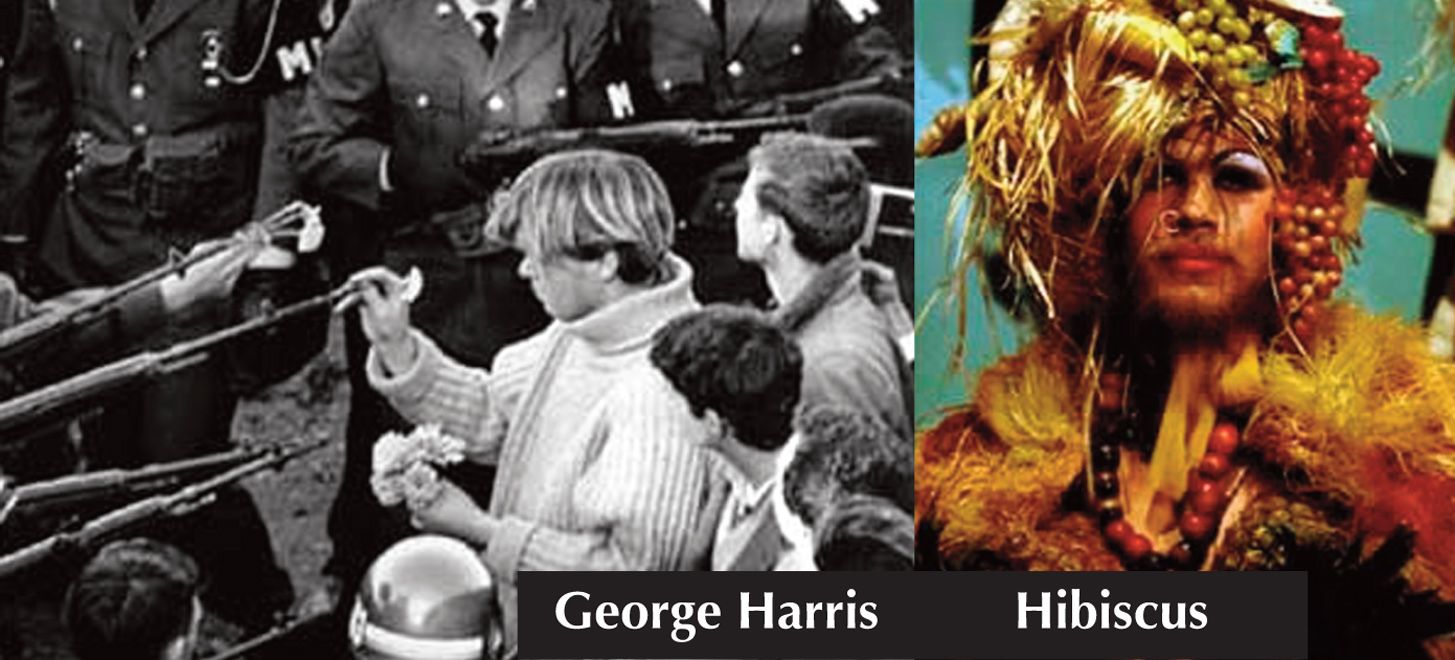
#GeorgeHarris/#Hibiscus (September 6, 1949 – May 6, 1982): What most people know of George Harris is the famous photograph of him placing flowers in the guns of the military police force at the #Pentagon in 1967. Few people knew that this same person was Hibiscus, a performer/activist and the founder of #TheCockettes, a psychedelic gay liberation theatre collectiveContinue reading “George Harris/Hibiscus”
Stormé DeLarverie

#StormeDeLarverie (December 24, 1920 – May 24, 2014): Born in #NewOrleans to an African-American mother and a white father, DeLarverie faced bullying and harassment as a child. As a teenager, she had an early career as an equestrian for #RinglingBrothersCircus. Eventually she made her way to #NewYork, where she worked as an MC, bouncer, andContinue reading “Stormé DeLarverie”
Baron Von Steuben

Born in Prussia in 1730, Baron von Steuben had a storied military career that began at a young age when he followed his father to Crimea to fight in the Russian war against the Turks. Rising in the ranks, he fought in the Seven Years’ War and was even given special military training and instructionContinue reading “Baron Von Steuben”
We’wha

A member of the Zuni tribe from New Mexico, We’wha were the most famous Lhamana, male-bodied people who take on social and ceremonial roles usually performed by women in their culture (some modern Lhamana are part of the Two Spirit community). Pronoun preference was not commonly discussed in the 19th century, but historians have used both masculine and feminine pronouns forContinue reading “We’wha”
 Legends of Pride